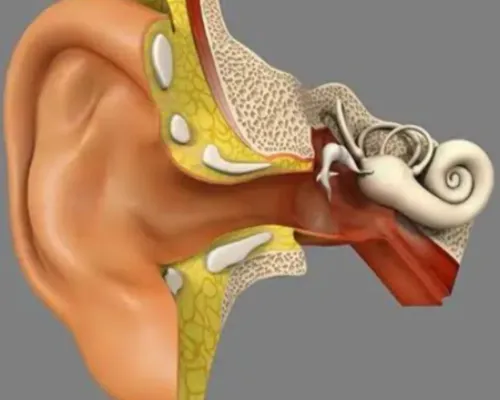
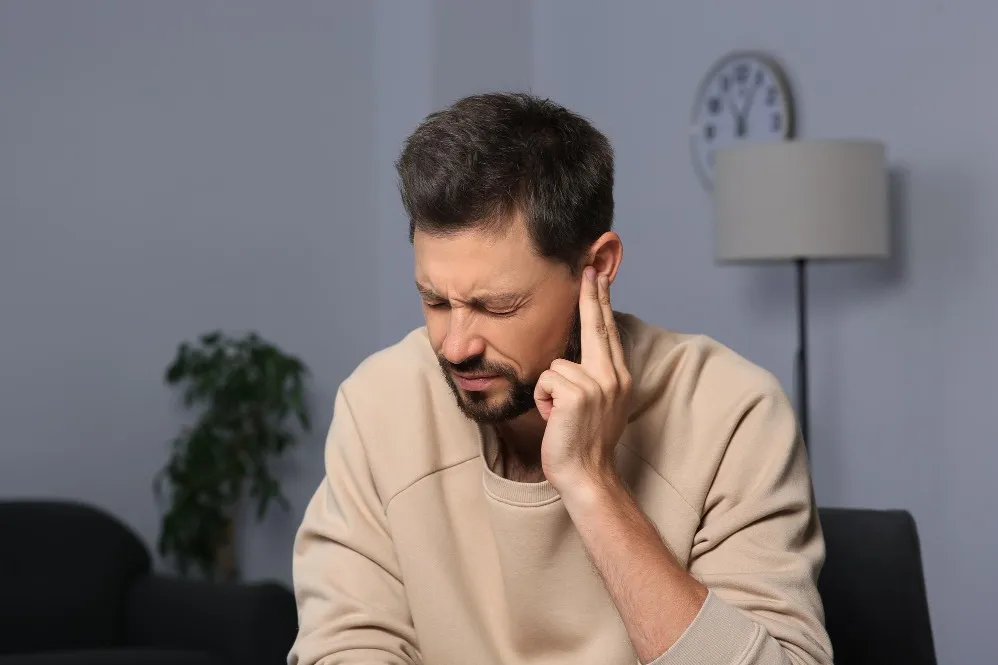
Behind each ear lies the mastoid bone, which contains small air-filled spaces connected to the middle ear. Persistent infections affecting this area can spread through these spaces, leading to complications if left untreated. When medication alone is no longer sufficient, a mastoidectomy may be recommended to remove infected tissue and protect surrounding structures.
For people living in Prabhadevi, understanding the purpose of mastoidectomy helps reduce uncertainty when surgery becomes part of the treatment plan.
What Is a Mastoidectomy?
A mastoidectomy is an ENT surgical procedure performed to remove infected or diseased air cells within the mastoid bone located behind the ear.
The surgery aims to:
- Eliminate chronic infection
- Prevent disease progression
- Protect hearing when possible
- Reduce the risk of serious complications
- Create a healthy ear environment
The extent of surgery depends on the severity of the disease.
Why Is Mastoidectomy Performed?
Several conditions may require this procedure.
These include:
- Chronic middle ear infections
- Cholesteatoma
- Mastoid bone infection
- Recurrent ear discharge
- Persistent disease despite medication
- Certain complications following ear infections
An ENT specialist recommends surgery after evaluating the patient's condition.
Symptoms That Should Not Be Ignored
Seek medical evaluation if you experience:
- Persistent ear discharge
- Hearing loss
- Pain behind the ear
- Swelling behind the ear
- Recurrent ear infections
- Dizziness
- Ear fullness
These symptoms may indicate ongoing middle ear or mastoid disease.
Investigations Before Surgery
Diagnosis usually involves:
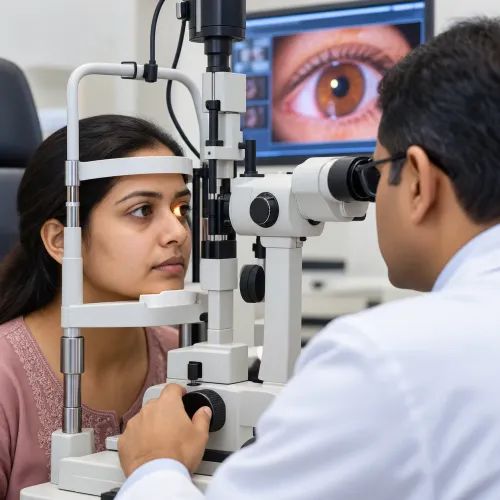
- Detailed ear examination
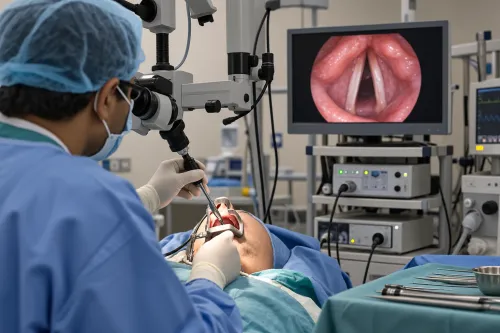
- Microscopic ear assessment
- Hearing evaluation
- CT scan of the temporal bone
- Review of infection history
These investigations allow the surgeon to plan the most appropriate procedure.
What Happens During Mastoidectomy?
The surgery is performed under general anaesthesia.
During the procedure, the surgeon carefully:
- Makes an incision behind the ear.
- Accesses the mastoid bone.
- Removes infected air cells and diseased tissue.
- Preserves healthy surrounding structures whenever possible.
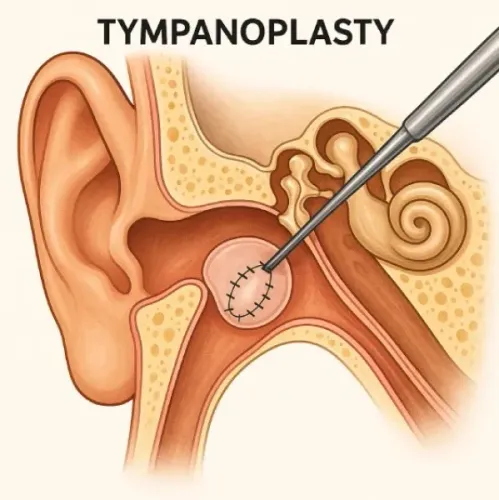
- Reconstructs parts of the ear if required.
The exact technique varies depending on the underlying disease.
Recovery Following Surgery
Most patients recover gradually over several weeks.
Recovery instructions often include:
- Keeping the surgical area clean
- Taking prescribed medications
- Avoiding water entering the ear
- Attending follow-up appointments
- Reporting unusual swelling or discharge
Following medical advice supports proper healing and monitoring.
Why Early Treatment Matters
Delaying treatment for chronic ear disease may increase the risk of complications involving nearby structures. Timely diagnosis allows specialists to recommend appropriate medical or surgical management before infection progresses further.
Individuals looking for Mastoidectomy in Prabhadevi often prefer hospitals offering dedicated ENT services supported by experienced surgeons and comprehensive diagnostic facilities. K.B. Haji Bachooali Charitable Ophthalmic Hospital provides evaluation and treatment for chronic ear conditions, helping patients receive personalised care based on the severity of their disease and their long-term hearing health.
Keywords