Gradually worsening hearing can have several causes. One possible cause involves abnormal fixation of the stapes, one of the tiny bones responsible for transmitting sound through the middle ear. In suitable cases, Stapedectomy in Chinchpokli may be considered after specialised hearing assessment.
Stapedectomy is not appropriate for every type of hearing loss. The first priority is identifying exactly why hearing has declined.
Understanding the Stapes
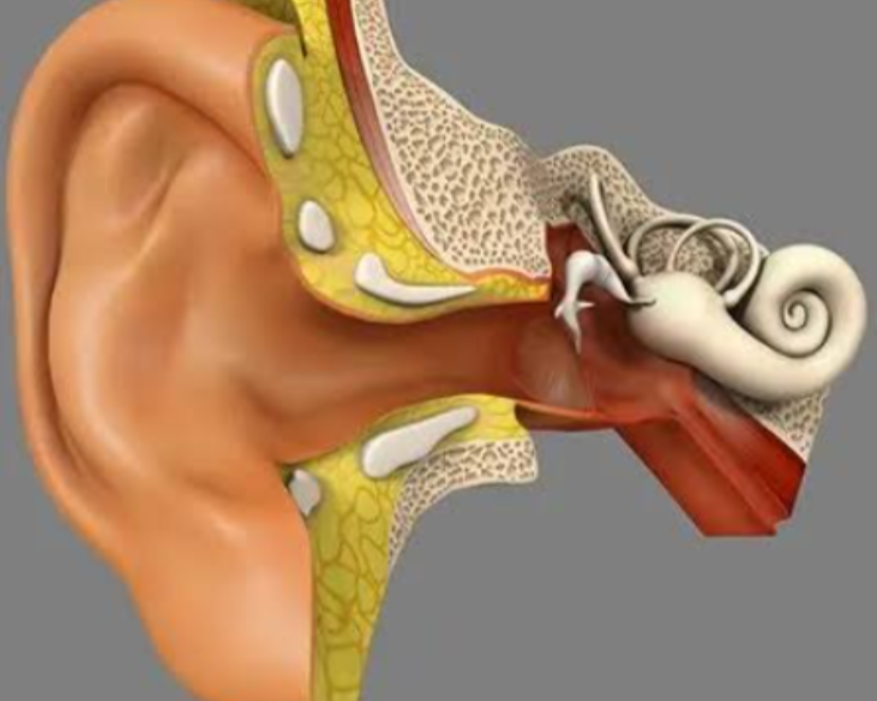
Three tiny bones in the middle ear help transmit sound vibrations toward the inner ear.
The stapes is the smallest of these bones. When its movement becomes restricted, sound transmission can be reduced.
Otosclerosis is one condition associated with fixation around the stapes. It can produce conductive hearing loss that gradually progresses.
What Symptoms Can Lead to Assessment?
Patients may initially notice difficulty following conversations, especially in certain environments.
Other possible experiences include
- Gradually reduced hearing
- Difficulty understanding softer speech
- Increasing television volume
- Dependence on others to repeat words
- Tinnitus
- Hearing difficulty affecting one ear or both ears
These symptoms are not specific to stapes fixation. Earwax, middle-ear fluid, eardrum disease, inner-ear problems can cause similar complaints.
Hearing Tests Are Essential
A hearing test provides information about the type plus degree of hearing loss.
This distinction matters because conductive hearing loss behaves differently from sensorineural hearing loss.
Additional tests may be recommended based on the patient's symptoms plus examination.
Surgery should only be considered after the diagnosis has been sufficiently established.
When Might Stapedectomy Be Discussed?
If assessment indicates suitable stapes-related conductive hearing loss, the ENT surgeon can discuss available management options.
The decision may take into account
- Severity of hearing difficulty
- Hearing-test findings
- Condition of the opposite ear
- General health
- Patient expectations
- Suitability for surgery
- Alternative hearing rehabilitation options
The procedure aims to improve sound transmission through the middle ear.
Know What Surgery Can Realistically Address
Patients should understand the type of hearing loss being treated.
If another component of hearing impairment exists, surgery may not restore hearing to normal levels.
A clear preoperative discussion should cover expected benefit, limitations, possible complications, recovery instructions.
This is more useful than relying on another patient's experience because hearing conditions can differ considerably.
Recovery Requires Ear Protection
After middle-ear surgery, patients typically receive instructions designed to protect healing structures.
These may include precautions regarding water exposure, strenuous activity, pressure changes, nose blowing.
The exact restrictions depend on the operation plus surgeon's assessment.
Patients should report concerning symptoms promptly according to their postoperative instructions.
When Should Hearing Loss Be Checked?
Hearing loss deserves assessment when it persists, progresses, affects communication, develops unevenly between the ears.
Sudden hearing loss requires more urgent medical attention because it can represent a different clinical problem.
People should not assume that gradual hearing loss is simply an unavoidable part of ageing.
Select Surgical Care After a Proper Diagnosis
Patients considering Stapedectomy in Chinchpokli, Mumbai, Maharashtra should look for a care pathway that begins with ear examination plus hearing evaluation.
K.B. Haji Bachooali Charitable Ophthalmic Hospital provides clinical services for patients requiring assessment of ENT-related concerns.
Stapedectomy is a specialised procedure for selected causes of hearing impairment. The right candidate is identified through diagnosis rather than symptoms alone. A detailed consultation can clarify whether the procedure is relevant, what improvement may reasonably be expected, what postoperative care will involve.
Keywords