A perforated eardrum can affect hearing, make the ear vulnerable to repeated infections, cause persistent discharge. In some cases, a small perforation heals naturally. When the opening remains for a prolonged period, Tympanoplasty in Parel may be considered after an ENT specialist evaluates the ear.
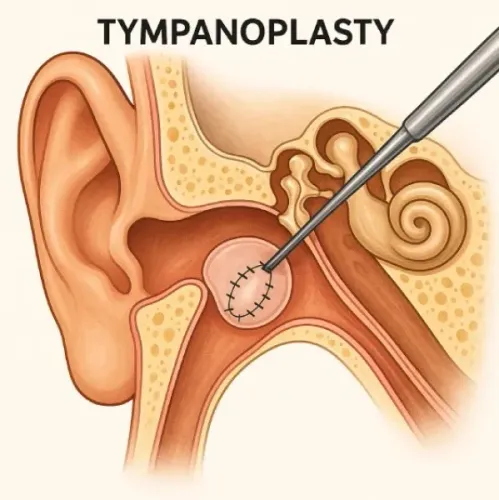
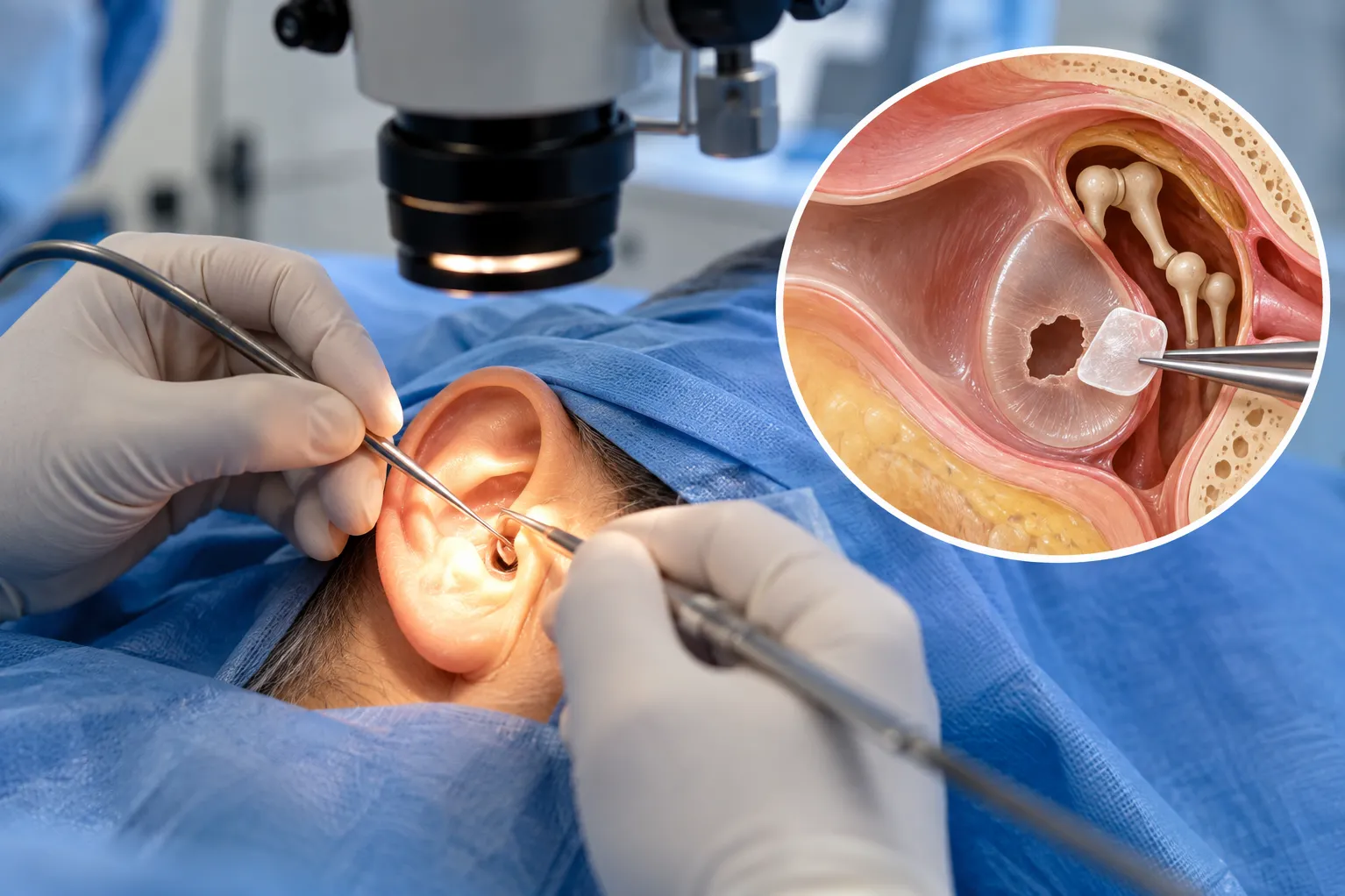
Tympanoplasty is a surgical procedure primarily used to repair a hole in the tympanic membrane, commonly called the eardrum. Depending on the condition of the middle ear, the procedure may also address problems involving the small hearing bones.
Why Does an Eardrum Become Perforated?
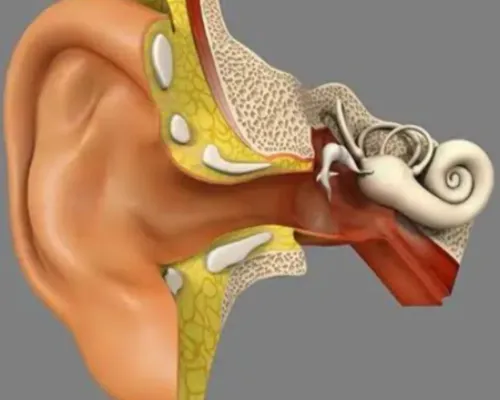
The eardrum is a thin membrane separating the ear canal from the middle ear. Several problems can damage it.
Common causes include
- Repeated middle-ear infections
- Previous ear trauma
- Sudden pressure changes
- Injury caused by inserting objects into the ear
- Complications from earlier ear disease
- Long-standing ear discharge
Some people notice an immediate change in hearing after an injury. Others discover the perforation during an examination for recurring ear discharge.
Symptoms That Deserve an ENT Assessment
A persistent eardrum perforation does not always produce severe pain. This can make people delay evaluation.
Possible symptoms include reduced hearing, recurrent discharge, a blocked sensation, occasional discomfort, tinnitus, susceptibility to infection after water enters the ear.
Persistent symptoms deserve assessment because the size, position, cause of the perforation can influence treatment.
Is Every Eardrum Perforation Treated Surgically?
No. Treatment depends on the individual case.
Small, recent perforations may heal without an operation. An ENT specialist may initially recommend keeping the ear dry, treating infection when present, monitoring healing.
Surgery becomes more relevant when the perforation remains open, hearing is affected, infections repeatedly occur, the ear continues to discharge despite appropriate treatment.
An examination helps establish whether tympanoplasty is suitable.
What Happens Before Tympanoplasty?
Preoperative assessment may include examination of the ear canal plus eardrum. Hearing tests can help determine the degree plus type of hearing loss.
The specialist may also assess whether there is active infection. Treating inflammation before surgery may be necessary in certain patients.
Patients should tell the medical team about existing illnesses, regular medicines, previous operations, allergies.
What Does Tympanoplasty Aim to Achieve?
The primary goal is closure of the eardrum perforation. Successful repair can help protect the middle ear from repeated exposure to water plus infection.
Depending on the condition of the ear, improvement in hearing may also occur. The expected hearing outcome varies according to factors such as the middle-ear structures, severity of previous disease, condition of the hearing bones.
This is why individual assessment is more useful than assuming every tympanoplasty will produce the same result.
Recovery Requires Proper Ear Care
Postoperative instructions are important after ear surgery. Patients may be advised to keep the operated ear dry, avoid inserting anything into it, take prescribed medicines correctly, attend follow-up appointments.
Activities that create excessive pressure inside the ear may need temporary restriction. The surgeon provides instructions based on the procedure performed.
Unexpected bleeding, increasing pain, fever, significant dizziness, worsening discharge should be reported to the treating team.
Getting Persistent Ear Problems Evaluated
People living in Parel, Mumbai, Maharashtra who experience repeated ear discharge plus hearing difficulty should avoid repeatedly treating symptoms without identifying the underlying cause.
K.B. Haji Bachooali Charitable Ophthalmic Hospital provides access to clinical evaluation for patients seeking appropriate care for ENT-related conditions. Where tympanoplasty is being considered, proper assessment helps determine whether surgical repair is necessary, what the procedure may achieve, what follow-up care will involve.
A persistent perforated eardrum deserves a clear diagnosis. Early evaluation can help patients understand whether observation, medical management, surgical repair is the appropriate next step.
Keywords