Healthy vision plays a vital role in a child's physical, educational, and social development. Since young children may not always recognise or communicate vision problems, many eye conditions remain unnoticed until they begin affecting school performance or everyday activities.
Early diagnosis and timely treatment help support normal visual development while reducing the risk of long-term complications. Families living in Dadar can benefit from understanding the warning signs that indicate a child should undergo a comprehensive eye examination.
Why Children's Eye Health Requires Special Attention
Unlike adults, children's visual systems continue developing during the early years of life.
Untreated vision problems during this period may interfere with:
- Reading ability
- Classroom learning
- Hand-eye coordination
- Sports participation
- Social interaction
- Overall confidence
Routine eye examinations allow ophthalmologists to identify concerns before they become more serious.
Common Paediatric Eye Conditions
Children may experience a variety of eye disorders, including:
- Refractive errors
- Squint (strabismus)
- Lazy eye (amblyopia)
- Congenital cataracts
- Blocked tear ducts
- Eye allergies
- Childhood glaucoma
- Eye infections
Many of these conditions respond well when detected early.
Signs Parents Should Watch For
Children rarely complain that they cannot see clearly.
Instead, parents may notice behaviours such as:
- Sitting very close to the television
- Holding books close to the face
- Frequent eye rubbing
- Excessive blinking
- Tilting the head while looking at objects
- One eye turning inward or outward
- Complaints of headaches during reading
- Difficulty concentrating in school
Any persistent visual concern deserves professional evaluation.
When Should Children Have Their Eyes Examined?
Although children receive basic vision screening during routine health visits, comprehensive eye examinations may be recommended:
- During infancy if risk factors exist
- Before starting school
- At regular intervals during school years
- Whenever vision concerns develop
Children with a family history of eye disease may require more frequent examinations.
How Paediatric Eye Problems Are Diagnosed
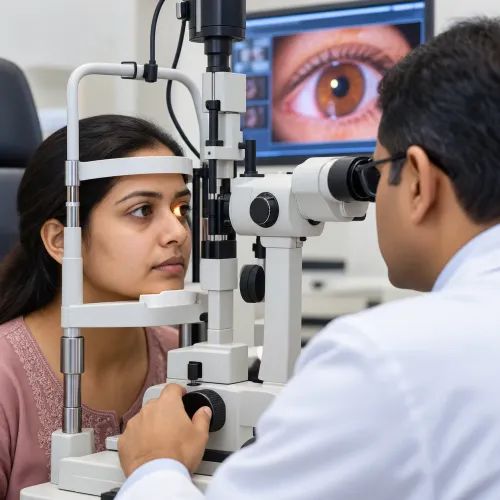
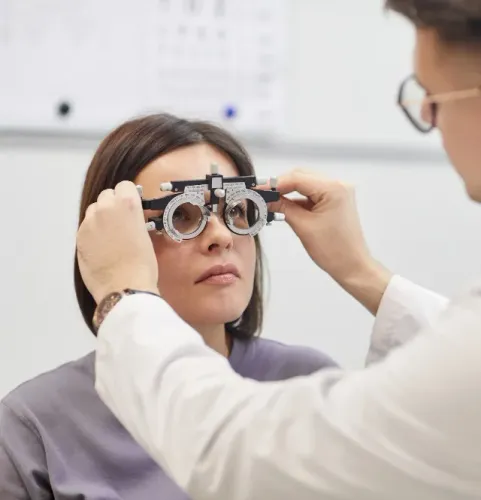
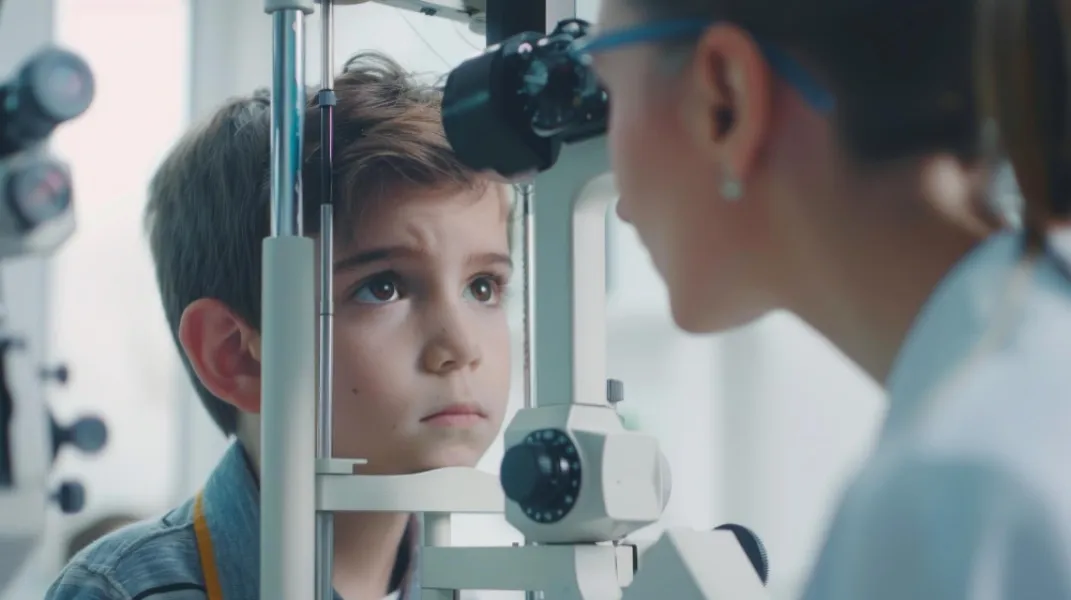
Eye specialists use child-friendly techniques designed for different age groups.
The examination may include:
- Vision assessment
- Eye alignment testing
- Refraction for spectacle prescription
- Eye movement evaluation
- Retinal examination
- Assessment of overall eye health
The process is adapted according to the child's age and ability to cooperate.
Treatment Depends on the Underlying Condition
Management varies according to the diagnosis.
Treatment options may include:
- Prescription spectacles
- Eye patching for lazy eye
- Eye exercises in selected cases
- Medication
- Minor procedures
- Surgery when necessary
Regular follow-up helps monitor progress and supports healthy visual development.
Supporting Healthy Vision at Home
Parents can encourage good eye health by:
- Limiting excessive screen time
- Ensuring adequate outdoor activity
- Providing balanced nutrition
- Encouraging proper reading distance
- Scheduling routine eye examinations
- Seeking prompt care after eye injuries
These habits complement professional eye care.
Early Care Can Make a Lasting Difference
Many childhood eye disorders respond most effectively when diagnosed during the early years. Delaying treatment may reduce the opportunity for optimal visual development, particularly in conditions such as amblyopia and squint.
Families searching for Paediatric Eye Problems Treatment in Dadar often prefer hospitals with experienced paediatric ophthalmologists and child-friendly diagnostic facilities. K.B. Haji Bachooali Charitable Ophthalmic Hospital provides comprehensive eye evaluation for children, offering personalised treatment plans that support healthy vision and long-term eye development through compassionate, specialised care.
Keywords