Losing an eye because of injury, infection, cancer, or a congenital condition can affect both physical appearance and emotional well-being. While a prosthetic eye cannot restore vision, it plays an important role in rebuilding confidence by providing a natural-looking appearance and supporting facial symmetry.
For individuals and families in Sion, understanding how prosthetic eye solutions work can help reduce anxiety and prepare for the rehabilitation process.
What Is a Prosthetic Eye?
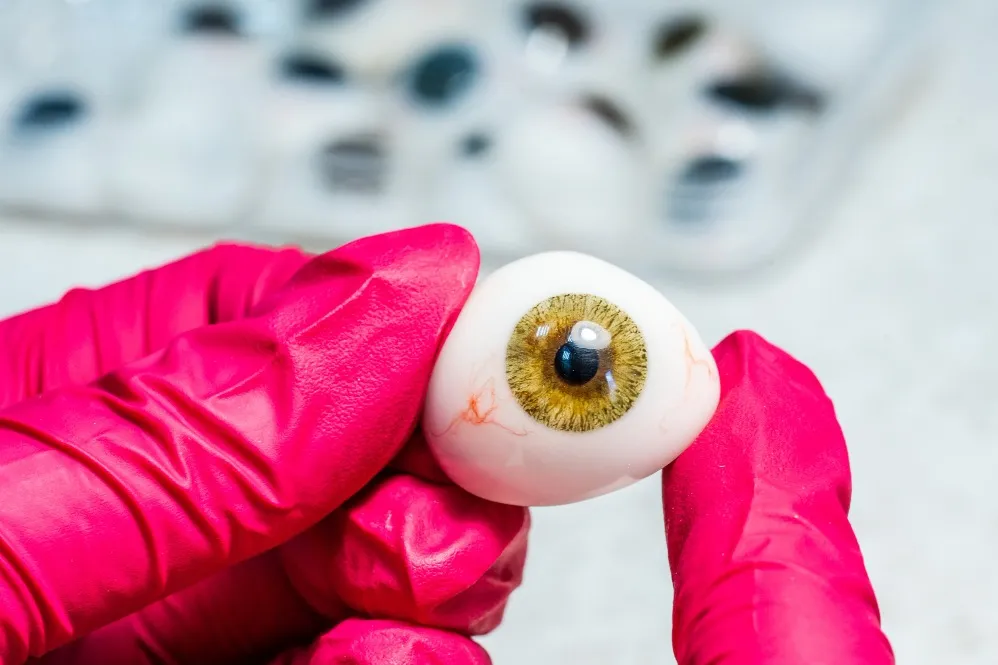
A prosthetic eye, also called an ocular prosthesis, is a custom-made artificial eye designed to fit comfortably within the eye socket after the loss or removal of an eye.
Modern prosthetic eyes are carefully crafted to resemble the natural eye, including:
- Iris colour
- Pupil size
- Eye shape
- Surface appearance
- Overall facial balance
Each prosthesis is individually designed to achieve the most natural result possible.
Why Might Someone Need a Prosthetic Eye?
Several medical situations may require prosthetic eye rehabilitation.
These include:
- Severe eye injuries
- Advanced eye infections
- Eye tumours
- Painful blind eyes
- Congenital absence of an eye
- Irreparable eye damage
The decision depends on the patient's underlying medical condition and the advice of the treating ophthalmologist.
The Rehabilitation Process
Receiving a prosthetic eye usually involves several stages.
These include:
- Healing after eye surgery.
- Evaluation of the eye socket.
- Custom measurements and impressions.
- Fabrication of the prosthetic eye.
- Fitting and adjustment.
- Education on cleaning and maintenance.
Each step contributes to comfort, appearance, and long-term success.
Can a Prosthetic Eye Move Naturally?
Modern prosthetic eyes are designed to move along with the remaining eye to some extent.
The amount of movement depends on:
- The underlying surgery
- Eye socket health
- Muscles surrounding the implant
- Type of orbital implant used
Although movement may not exactly match a natural eye, well-fitted prostheses often provide an excellent cosmetic outcome.
Caring for a Prosthetic Eye
Proper maintenance helps preserve appearance and comfort.
Patients are usually advised to:
- Clean the prosthesis as instructed
- Attend regular polishing appointments
- Avoid unnecessary handling
- Report irritation or discharge promptly
- Follow scheduled reviews with the ocular specialist
Routine care extends the lifespan of the prosthesis.
Benefits Beyond Appearance
A prosthetic eye offers several practical advantages.
These include:
- Improved facial symmetry
- Greater confidence in social settings
- Better support for eyelid structure
- Comfortable long-term wear
- Enhanced psychological well-being
Many individuals gradually return to work, education, and daily activities following rehabilitation.
Importance of Individualised Fitting
Every eye socket is unique, making customised fabrication essential for comfort and appearance. Close collaboration between ophthalmologists and ocular prosthesis specialists ensures that each patient receives a prosthesis suited to their anatomy and personal preferences.
Patients exploring Prosthetic Eye Solutions in Sion often choose centres offering comprehensive surgical care alongside long-term rehabilitation services. K.B. Haji Bachooali Charitable Ophthalmic Hospital supports patients through assessment, treatment, and prosthetic rehabilitation, helping individuals achieve a comfortable fit and a natural appearance following eye loss.
Keywords