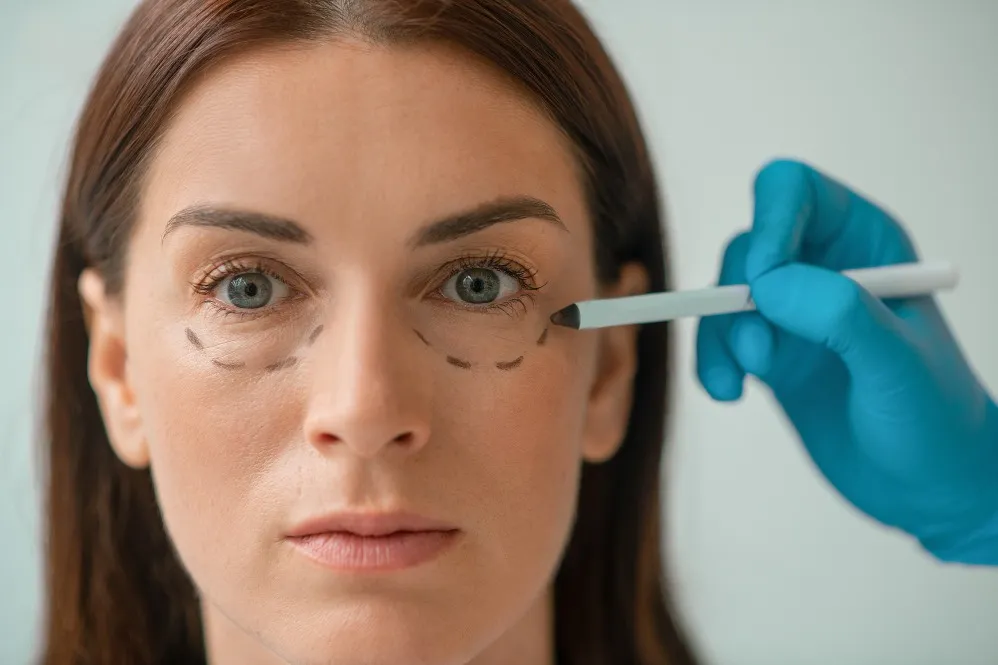
The tissues surrounding the eyes perform important functions beyond appearance. The eyelids protect the eyes, the tear drainage system maintains comfort, and the surrounding facial structures contribute to healthy vision. Injuries, ageing, tumours, birth defects, and certain medical conditions can affect these delicate structures, sometimes leading to discomfort, vision problems, or cosmetic concerns.
Oculoplasty is a specialised branch of ophthalmology that focuses on diagnosing and treating disorders involving the eyelids, tear ducts, eye socket, and surrounding facial tissues. For individuals in Kurla, understanding the scope of oculoplasty can help determine when specialist care may be beneficial.
What Are Oculoplasty Services?
Oculoplasty combines ophthalmology with reconstructive and functional surgery.
It addresses conditions affecting:
- Eyelids
- Tear drainage system
- Eye socket (orbit)
- Surrounding facial tissues
- Prosthetic eye rehabilitation in selected cases
The goal is to improve both eye function and appearance whenever possible.
Conditions Commonly Treated
Oculoplastic specialists manage a wide range of disorders, including:
- Drooping eyelids (ptosis)
- Eyelid turning inward or outward
- Eyelid lumps and cysts
- Excess eyelid skin affecting vision
- Tear duct blockage
- Orbital fractures
- Eye socket tumours
- Facial trauma involving the eyes
Each condition requires an individualised treatment plan.
Symptoms That Should Prompt Evaluation
An ophthalmologist may recommend further assessment if you experience:
- Persistent eyelid swelling
- Difficulty opening the eyes
- Excessive tearing
- Eyelid drooping
- Eyelid growths
- Eye discomfort caused by abnormal eyelid position
- Changes in eye appearance following injury
Early diagnosis often prevents further complications.
How Oculoplastic Conditions Are Diagnosed
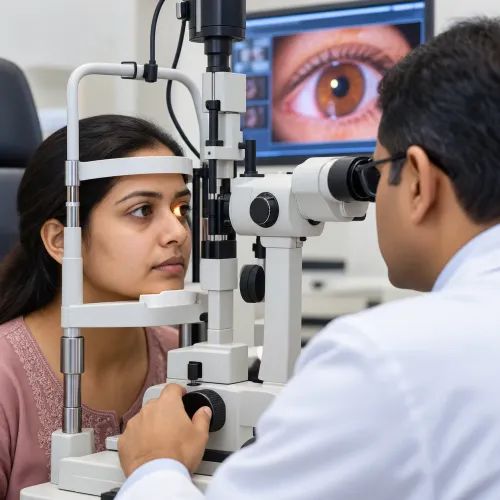
Diagnosis begins with a detailed clinical examination.
Depending on the condition, investigations may include:
- Vision assessment
- Eyelid measurements
- Tear drainage testing
- Imaging studies such as CT or MRI
- Orbital examination
- Biopsy of suspicious lesions when required
Accurate diagnosis guides appropriate treatment.
Available Treatment Options
Treatment depends on the underlying condition and its severity.
Management may include:
- Medication
- Minor eyelid procedures
- Reconstructive eyelid surgery
- Tear duct surgery
- Orbital surgery
- Tumour removal when indicated
- Functional and cosmetic correction where appropriate
Many procedures aim to preserve eye health while improving comfort and appearance.
Recovery Following Oculoplastic Procedures
Recovery varies according to the type of procedure performed.
Patients are generally advised to:
- Use prescribed medications
- Keep the surgical area clean
- Avoid strenuous activities temporarily
- Attend scheduled follow-up visits
- Report unusual pain or swelling promptly
Careful post-operative management supports optimal healing.
Choosing an Experienced Eye Specialist
Because oculoplasty involves structures closely related to vision, treatment should ideally be provided by ophthalmologists trained in eyelid and orbital disorders. Proper assessment ensures that both functional and cosmetic concerns are addressed safely.
Patients considering Oculoplasty Services in Kurla often look for hospitals that combine ophthalmic expertise with advanced surgical facilities. K.B. Haji Bachooali Charitable Ophthalmic Hospital offers comprehensive evaluation and management for a variety of eyelid, orbital, and tear drainage conditions, helping patients receive personalized care designed to protect eye health while improving comfort and function.
Keywords