Losing vision does not always mean complete blindness. Many people continue to have some usable eyesight but struggle to read, recognise faces, watch television, or move around safely even after wearing the correct spectacles. This condition is known as low vision, and specialised rehabilitation can help individuals make better use of their remaining sight.
For people living in Matunga, understanding the benefits of low vision care can make daily activities easier while improving confidence and independence.
What Is Low Vision?
Low vision is a permanent reduction in eyesight that cannot be fully corrected with ordinary spectacles, contact lenses, medication, or routine surgery.
People with low vision may still have useful vision, but everyday tasks become more challenging.
Common causes include:
- Age-related macular degeneration
- Diabetic retinopathy
- Glaucoma
- Retinitis pigmentosa
- Optic nerve disorders
- Severe eye injuries
- Certain inherited eye conditions
Early assessment helps determine the most suitable rehabilitation approach.
How Low Vision Affects Daily Life
People with low vision often experience difficulties with:
- Reading books and newspapers
- Recognising faces
- Identifying medicine labels
- Cooking safely
- Managing finances
- Watching television
- Travelling independently
- Using mobile phones or computers
These challenges can affect confidence and reduce participation in everyday activities.
Signs That Low Vision Care May Be Helpful
Consider a specialised assessment if:
- Vision remains poor despite updated spectacles.
- Bright lighting no longer improves reading.
- Magnifying glasses provide limited benefit.
- You struggle with daily tasks because of reduced eyesight.
- Eye disease has permanently affected vision.
Seeking support early allows patients to adapt more effectively.
What Happens During a Low Vision Assessment?
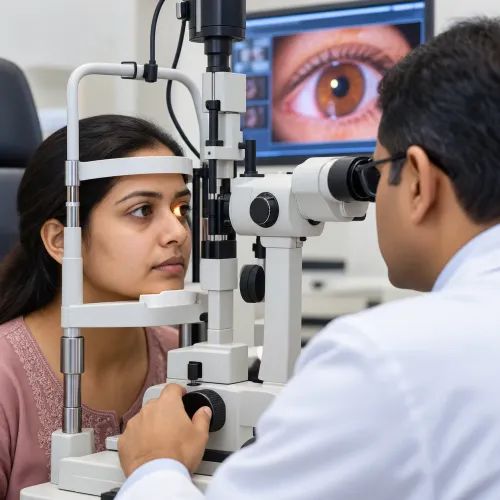
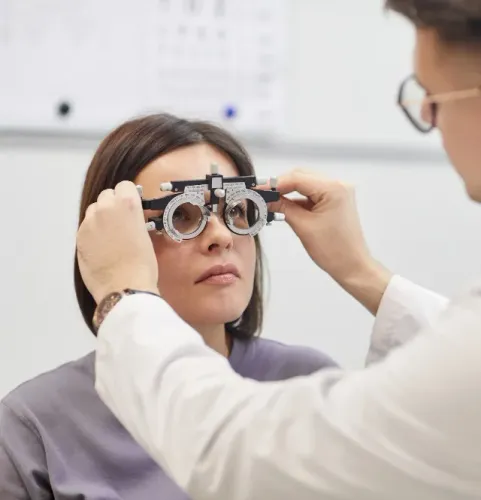
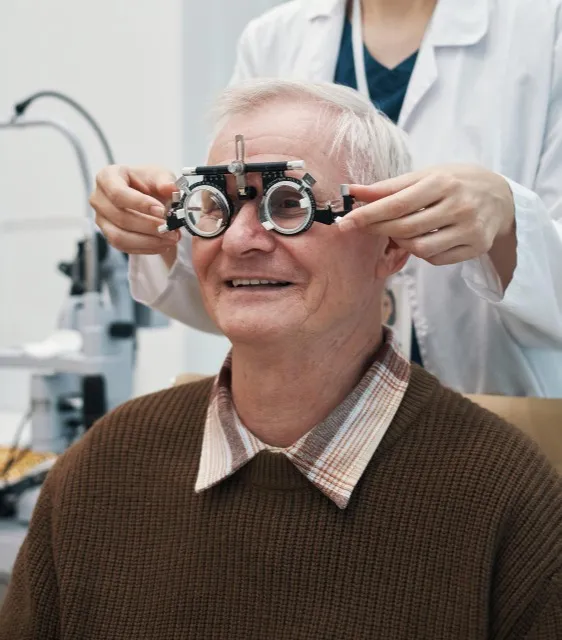
Unlike a routine eye examination, a low vision assessment focuses on understanding how vision affects daily activities.
The evaluation may include:
- Measurement of remaining vision
- Assessment of reading ability
- Contrast sensitivity testing
- Functional vision assessment
- Discussion of lifestyle requirements
- Selection of suitable visual aids
The goal is to maximise usable vision rather than restore eyesight completely.
Available Low Vision Aids
Depending on individual needs, specialists may recommend:
- Hand-held magnifiers
- Stand magnifiers
- Electronic magnification devices
- High-powered reading spectacles
- Closed-circuit television (CCTV) magnifiers
- Large-print materials
- Enhanced lighting solutions
- Smartphone accessibility features
The choice depends on the person's lifestyle, occupation, and visual requirements.
Practical Strategies for Everyday Living
Low vision rehabilitation also focuses on adapting the home and workplace.
Helpful strategies include:
- Improving indoor lighting
- Using high-contrast labels
- Organising household items consistently
- Choosing large-print calendars and clocks
- Reducing glare with appropriate lighting
- Learning techniques to use remaining peripheral vision effectively
Small adjustments often produce meaningful improvements in independence.
Emotional Support Is Equally Important
Adjusting to permanent vision loss can be emotionally challenging.
Support from family members, rehabilitation specialists, and healthcare professionals helps individuals remain active and engaged in daily life. Many people continue working, reading, travelling, and enjoying hobbies with appropriate visual rehabilitation.
People seeking Low Vision Care in Matunga often benefit from hospitals that combine comprehensive eye examinations with personalised rehabilitation services. K.B. Haji Bachooali Charitable Ophthalmic Hospital provides low vision assessment and guidance tailored to each patient's visual needs, helping individuals make the best possible use of their remaining vision while improving their quality of life.
Keywords