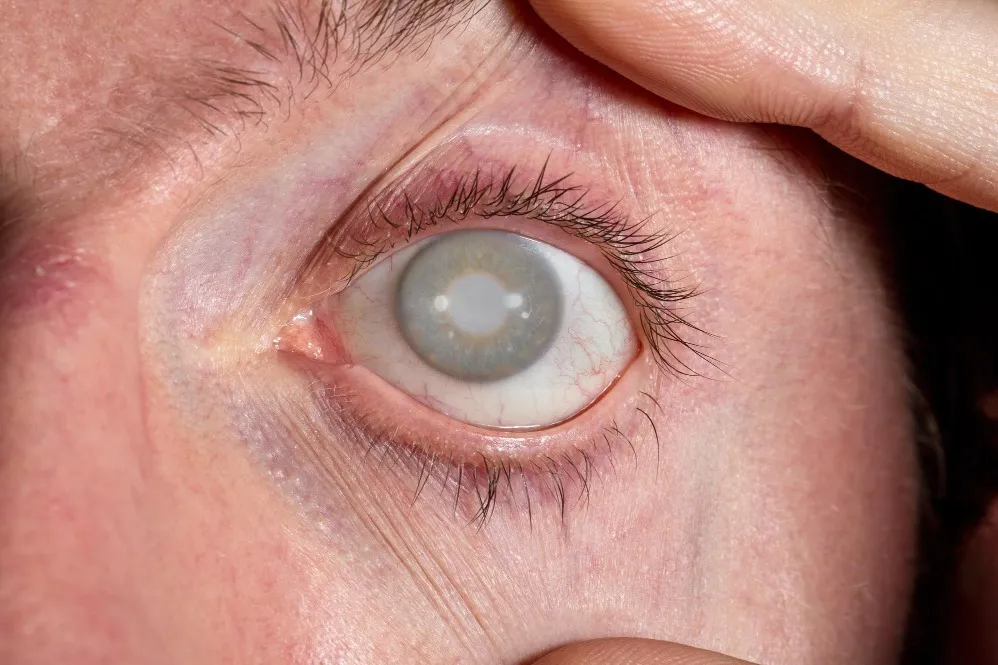
Glaucoma is often called the silent thief of sight because it can gradually damage the optic nerve without causing noticeable symptoms in its early stages. By the time vision changes become apparent, permanent damage may already have occurred. Regular eye examinations play a crucial role in identifying glaucoma early and reducing the risk of long-term vision loss.
For people living in Wadala, routine glaucoma screening becomes increasingly important with age, especially for those with additional risk factors such as diabetes, high eye pressure, or a family history of the condition.
What Is Glaucoma?
Glaucoma is a group of eye diseases that damage the optic nerve, which carries visual information from the eye to the brain. In many cases, the damage is associated with increased pressure inside the eye, although glaucoma can also develop when eye pressure remains within the normal range.
Without timely diagnosis and treatment, glaucoma can lead to gradual peripheral vision loss and eventually affect central vision.
Types of Glaucoma
Several forms of glaucoma require different management approaches.
Common types include:
- Primary open-angle glaucoma
- Angle-closure glaucoma
- Normal-tension glaucoma
- Secondary glaucoma
- Congenital glaucoma
An ophthalmologist determines the specific type through a detailed eye examination and specialised diagnostic tests.
Who Is at Greater Risk?
Although anyone can develop glaucoma, certain individuals have a higher likelihood.
Risk factors include:
- Age above 40 years
- Family history of glaucoma
- Diabetes
- High blood pressure
- Long-term steroid medication
- Previous eye injuries
- Severe nearsightedness
People with one or more of these risk factors should not wait for symptoms before scheduling an eye examination.
Symptoms Can Be Difficult to Notice
Open-angle glaucoma often develops slowly and painlessly.
Many people remain unaware until vision has already been affected.
Possible symptoms include:
- Gradual loss of side vision
- Difficulty seeing in dim lighting
- Frequent changes in vision
- Tunnel vision in advanced stages
Acute angle-closure glaucoma, however, may present suddenly with severe eye pain, headache, nausea, blurred vision, and coloured halos around lights, requiring immediate medical attention.
How Is Glaucoma Diagnosed?
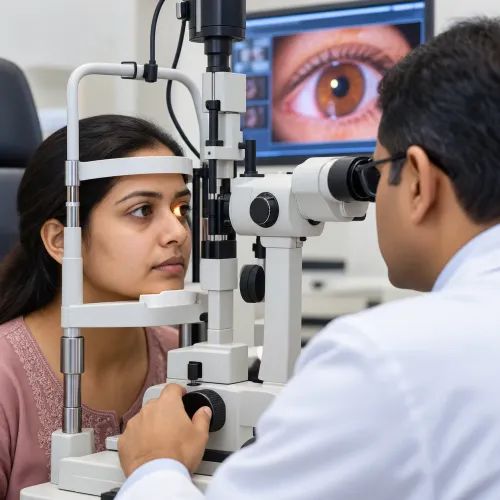
Modern eye care uses several investigations to assess optic nerve health and eye pressure.
These may include:
- Eye pressure measurement
- Optic nerve examination
- Visual field testing
- Optical Coherence Tomography (OCT)
- Corneal thickness measurement
- Gonioscopy to evaluate drainage angles
These tests provide valuable information even before noticeable vision loss develops.
Glaucoma Treatment Options
Although glaucoma cannot reverse existing optic nerve damage, treatment helps slow or stop further progression.
Depending on the condition, treatment may involve:
- Prescription eye drops
- Oral medications
- Laser procedures
- Minimally invasive glaucoma surgery
- Conventional glaucoma surgery in selected cases
The treatment plan depends on the severity of the disease and the patient's overall eye health.
Why Regular Follow-Up Matters
Glaucoma requires lifelong monitoring.
Routine follow-up appointments help ophthalmologists:
- Monitor eye pressure
- Evaluate optic nerve health
- Assess treatment effectiveness
- Modify medications if necessary
- Detect progression at an early stage
Consistent follow-up significantly improves long-term disease management.
Protecting Your Vision for the Future
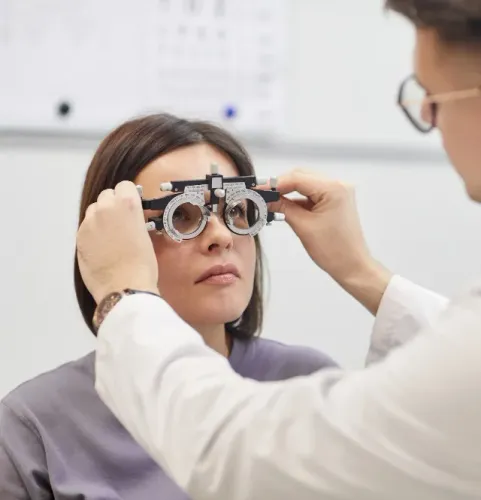
Since glaucoma often develops silently, regular eye examinations remain the most effective way to identify the condition before vision loss occurs. Adults above 40 years, particularly those with known risk factors, should consider comprehensive eye screening even if their eyesight appears normal.
Patients seeking Glaucoma Treatment in Wadala often look for hospitals equipped with advanced diagnostic technology and experienced ophthalmologists capable of providing long-term glaucoma management. K.B. Haji Bachooali Charitable Ophthalmic Hospital offers comprehensive glaucoma evaluation, personalised treatment planning, and ongoing monitoring to help protect vision through timely diagnosis and evidence-based care.
Keywords