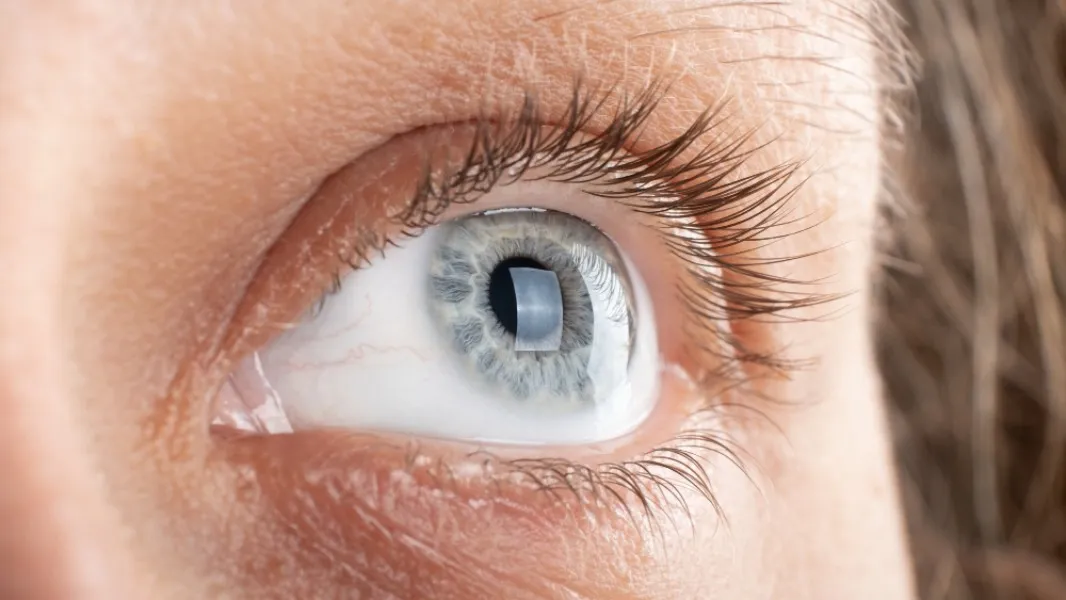
The cornea is the transparent front layer of the eye that plays a vital role in focusing light. Because it is responsible for much of the eye's focusing power, even small injuries or diseases affecting the cornea can cause significant visual problems.
Corneal disorders may develop because of infections, injuries, inherited conditions, or chronic eye diseases. Understanding the symptoms and available treatment options helps people seek timely medical care before permanent damage occurs.
For residents of Shiwari, access to specialised corneal evaluation is important when persistent eye discomfort or vision changes do not improve with routine treatment.
What Does the Cornea Do?
The cornea acts as the eye's protective outer window.
Its functions include:
- Focusing incoming light
- Protecting the eye from dust and germs
- Maintaining clear vision
- Supporting overall eye structure
Because the cornea contains no blood vessels, it depends on tears and surrounding tissues for nourishment and healing.
Common Corneal Conditions
Several eye disorders can affect the cornea.
These include:
- Corneal ulcers
- Keratoconus
- Corneal infections
- Corneal scars
- Dry eye-related corneal damage
- Corneal swelling
- Corneal injuries
Some conditions develop slowly, while others require urgent treatment.
Symptoms That May Indicate Corneal Disease
People should arrange an eye examination if they experience:
- Persistent eye pain
- Redness that does not improve
- Blurred vision
- Excessive tearing
- Light sensitivity
- Feeling of something inside the eye
- White or cloudy spots on the cornea
Ignoring these symptoms may increase the risk of permanent vision loss.
Causes of Corneal Damage
Corneal disorders can result from several factors.
Common causes include:
- Eye infections
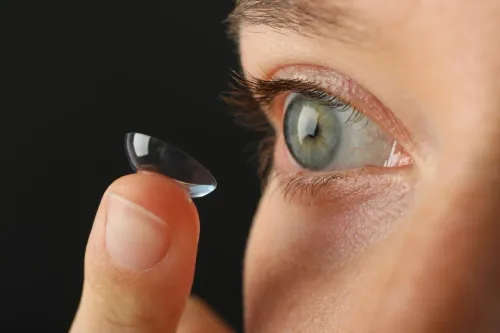
- Contact lens misuse
- Chemical injuries
- Trauma
- Autoimmune diseases
- Vitamin deficiencies
- Genetic conditions
Proper diagnosis helps determine the most effective treatment plan.
How Corneal Problems Are Diagnosed
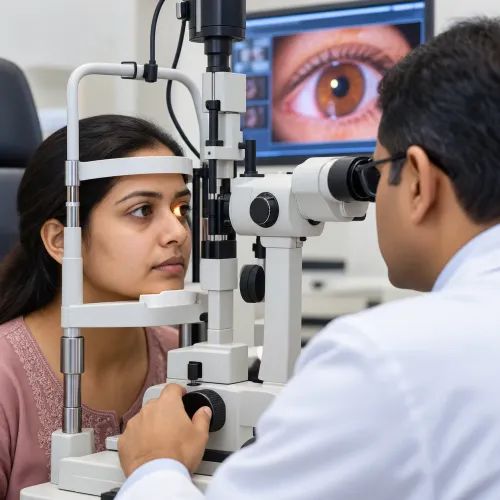
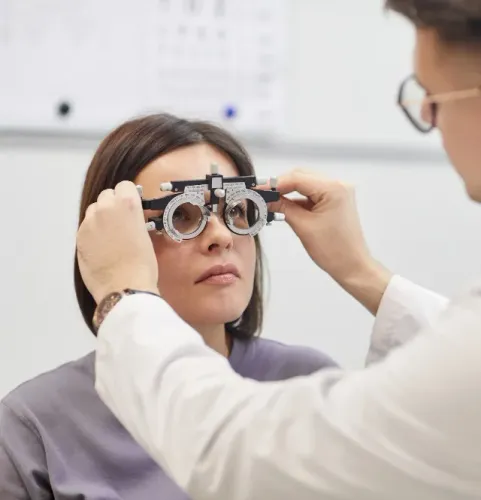
An ophthalmologist performs a detailed examination using specialised equipment.
Investigations may include:
- Slit lamp examination
- Corneal topography
- Pachymetry
- Fluorescein staining
- Tear film assessment
- Microbiological testing when infection is suspected
These tests help identify the exact cause of symptoms.
Available Cornea Treatment Options
Treatment varies according to the underlying condition.
Possible approaches include:
- Medicated eye drops
- Oral medications
- Therapeutic contact lenses
- Corneal collagen cross-linking
- Minor surgical procedures
- Corneal transplantation in advanced cases
Early intervention often prevents further damage and improves long-term outcomes.
Looking After Corneal Health
Simple preventive measures can reduce the risk of corneal problems.
These include:
- Washing hands before touching the eyes
- Using contact lenses correctly
- Wearing protective eyewear during hazardous activities
- Seeking immediate care after eye injuries
- Avoiding self-medication with steroid eye drops
Routine eye examinations also help detect corneal disorders before symptoms become severe.
Why Specialist Evaluation Matters
Many corneal conditions initially resemble common eye irritation, delaying appropriate treatment.
Specialist assessment helps distinguish between minor problems and conditions that require advanced care. Early diagnosis allows treatment to begin before the cornea develops irreversible scarring that may permanently affect vision.
Individuals looking for Cornea Treatment in Shiwari often benefit from facilities offering dedicated corneal diagnostics and comprehensive ophthalmic care. K.B. Haji Bachooali Charitable Ophthalmic Hospital provides evaluation and treatment for a wide range of corneal disorders, combining experienced ophthalmologists with modern diagnostic equipment to develop personalised treatment plans aimed at preserving vision and supporting long-term eye health.
Keywords