Cataracts are one of the most common causes of gradual vision loss, particularly among older adults. The condition develops when the natural lens of the eye becomes cloudy, making it difficult for light to pass through clearly. While cataracts are often associated with aging, they can also occur because of diabetes, previous eye injuries, prolonged steroid use, or certain medical conditions.
For residents of Parel, recognising the early signs of cataracts and seeking timely evaluation can help prevent unnecessary vision impairment and improve quality of life.
At first, cataracts may seem like a minor inconvenience. Many people assume they simply need stronger spectacles, but vision changes caused by cataracts cannot usually be corrected with prescription lenses alone.
What Is a Cataract?
A cataract develops when proteins inside the eye's natural lens begin to break down and clump together. Over time, this creates cloudy areas that interfere with normal vision.
The condition usually progresses gradually, meaning symptoms may not be noticeable during the early stages.
As the cataract grows, everyday tasks such as reading, recognising faces, watching television, and driving can become increasingly difficult.
Common Symptoms of Cataracts
People experience cataracts differently, but common symptoms include:
- Blurred or cloudy vision
- Increased sensitivity to bright lights
- Difficulty seeing at night
- Frequent changes in spectacle prescription
- Colours appearing faded or yellowish
- Double vision in one eye
- Glare from headlights while driving
These symptoms often develop slowly, making regular eye examinations especially important for older adults.
Who Is More Likely to Develop Cataracts?
Although cataracts are primarily age-related, certain risk factors may increase the likelihood of developing them earlier.
These include:
- Age above 60 years
- Diabetes
- Smoking
- Long-term steroid medication
- Previous eye trauma
- Family history of cataracts
- Excessive exposure to ultraviolet sunlight
People with these risk factors should undergo routine eye check-ups even if they have no obvious symptoms.
Can Cataracts Be Prevented?
There is currently no guaranteed way to prevent cataracts completely. However, maintaining good eye health may help reduce certain risks.
Healthy habits include:
- Wearing UV-protective sunglasses outdoors
- Managing diabetes effectively
- Avoiding tobacco products
- Eating foods rich in vitamins and antioxidants
- Attending regular eye examinations
Early detection allows ophthalmologists to monitor progression and recommend the most appropriate treatment timing.
When Is Cataract Treatment Recommended?
Contrary to a common misconception, cataracts do not have to become fully mature before treatment.
Instead, ophthalmologists recommend treatment when cataracts begin affecting daily activities such as:
- Reading books or newspapers
- Using digital devices
- Driving safely
- Working comfortably
- Recognising faces
- Walking confidently outdoors
Every patient's situation is different, and treatment decisions depend on how much vision has been affected rather than the cataract's appearance alone.
How Cataract Treatment Is Performed
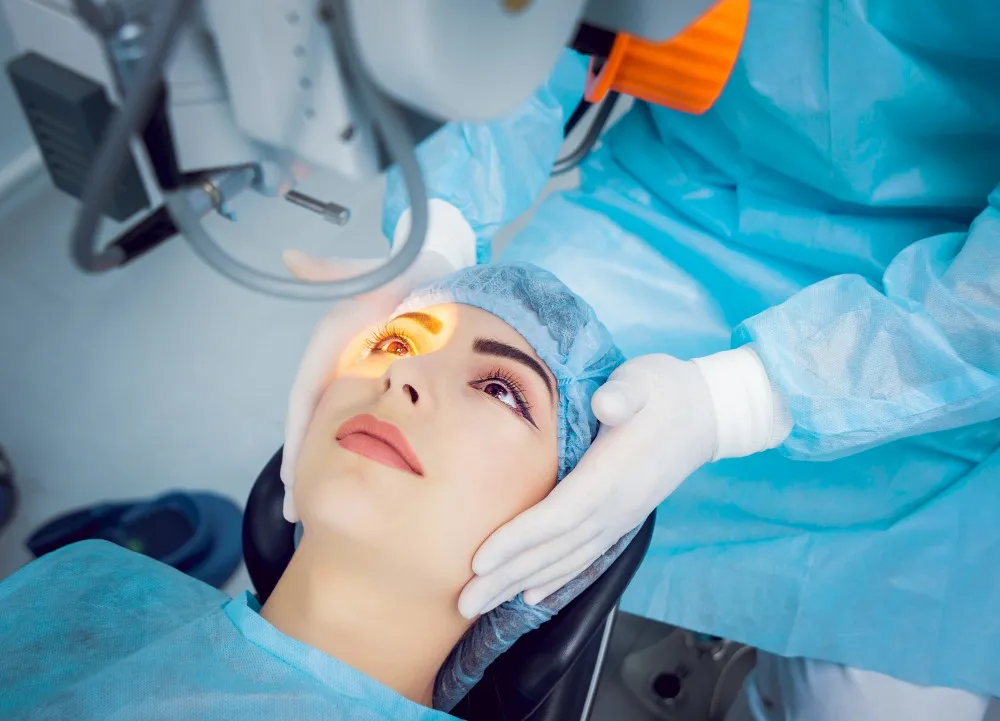
Modern cataract treatment involves removing the cloudy natural lens and replacing it with a clear artificial intraocular lens (IOL).
The procedure is generally performed as a day-care surgery.
During treatment:
- The eye is numbed using local anaesthesia.
- A tiny incision is created.
- The cloudy lens is removed using advanced surgical techniques.
- An artificial lens is implanted.
- The patient usually returns home the same day.
The incision is extremely small, allowing faster healing compared to older surgical methods.
Recovery After Cataract Surgery
Most patients notice gradual improvement in vision within the first few days, although complete healing may take several weeks.
During recovery, patients are usually advised to:
- Use prescribed eye drops regularly
- Avoid rubbing the eye
- Protect the eye from dust and water
- Avoid heavy lifting for a short period
- Attend scheduled follow-up appointments
Following post-operative instructions helps ensure a smooth recovery.
Choosing the Right Eye Care Provider
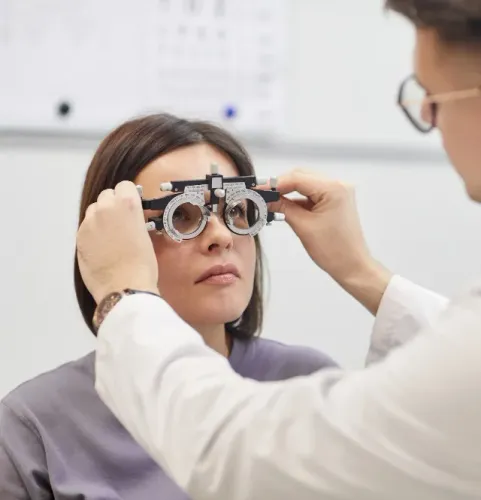
Successful cataract treatment depends not only on surgery but also on careful diagnosis, accurate measurements, and appropriate lens selection.
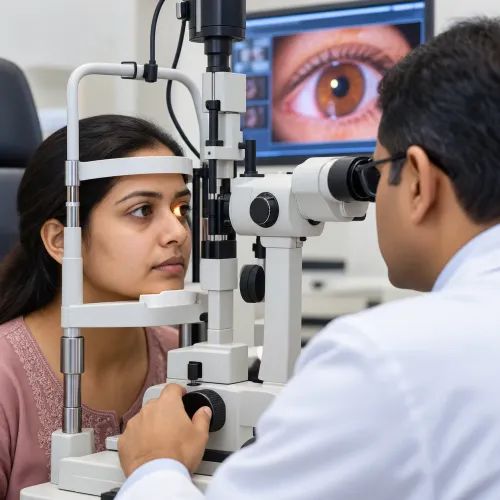
An experienced ophthalmology team evaluates:
- Overall eye health
- Corneal condition
- Retinal health
- Existing eye diseases
- Lifestyle requirements
- Suitable intraocular lens options
These assessments help achieve better visual outcomes.
Patients looking for comprehensive Cataract Treatment in Parel often prefer centres that provide complete diagnostic evaluation, modern surgical facilities, and long-term follow-up care. K.B. Haji Bachooali Charitable Ophthalmic Hospital offers a wide range of ophthalmology services supported by experienced specialists and advanced diagnostic technology, helping patients receive personalized treatment based on their individual eye health rather than a one-size-fits-all approach.
Keywords